From Native lands to shared tables: Building Tribal Departments of Agriculture
Tribal Departments of Agriculture
Tribal sovereignty requires food sovereignty.
After years of collaborative work to expand opportunities for Tribal agricultural development, the Native American Agriculture Fund (NAAF), in partnership with the Indigenous Food and Agriculture Initiative (IFAI), successfully worked with the members of the National Congress of American Indians (NCAI) to advance and pass a resolution supporting the establishment and empowerment of Tribal Departments of Agriculture.
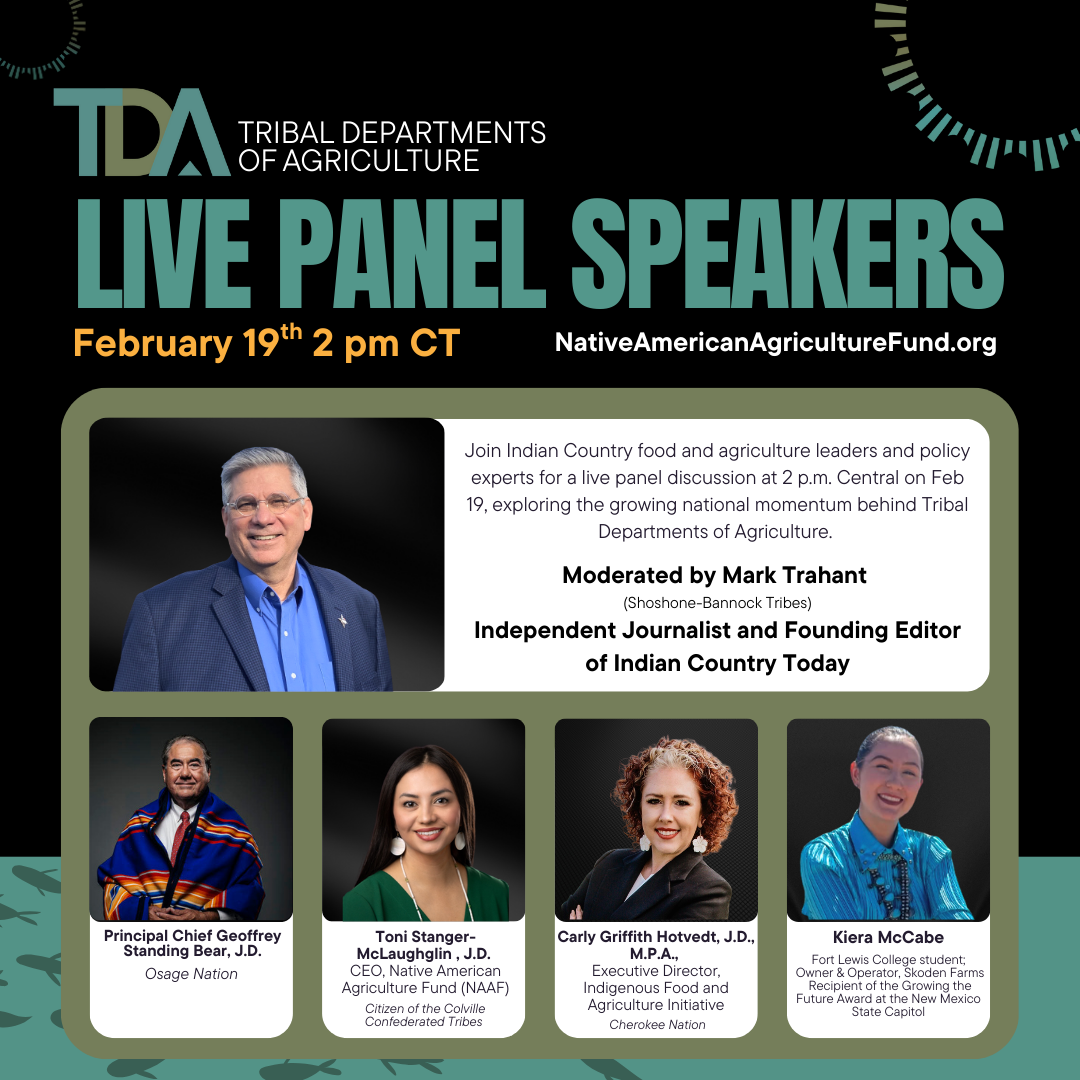
TDA Live Panel
Streamed live on February 19, 2026
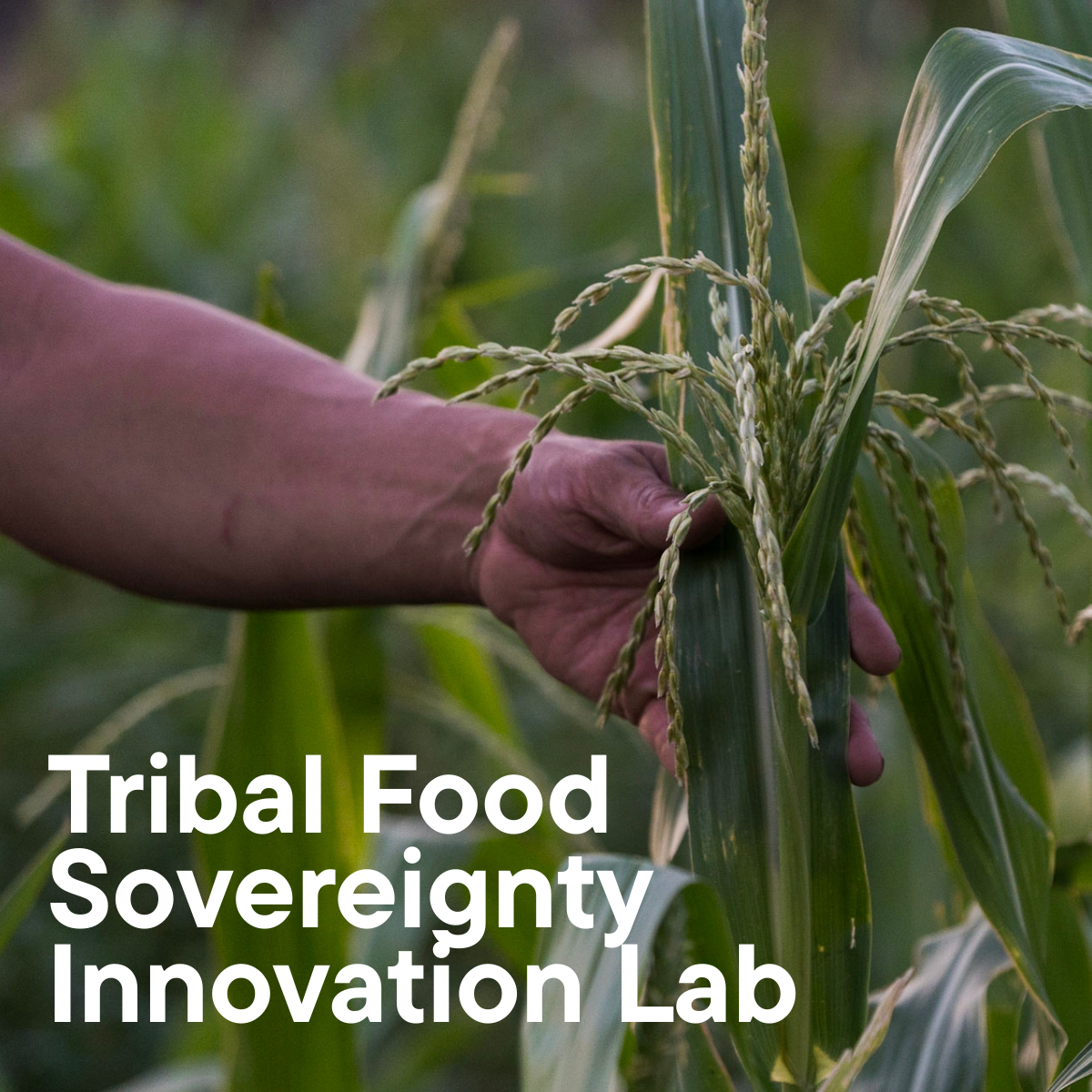
The Tribal Food Sovereignty Innovation Lab, a collaboration between the Indigenous Food and Agriculture Initiative (IFAI) and the National Congress of American Indians (NCAI), provides Tribal Nations with the tools, guidance, and resources to strengthen self-governance in food and agriculture. Explore model codes, case studies, funding opportunities, and practical guidance to support Tribal-led food systems.
Tribal Departments of Agriculture play a vital role in strengthening food sovereignty, supporting producers, and stewarding Tribal lands. This Brand Guide and Media Kit was created to help Tribal Nations and partners clearly share the impact and importance of Tribal agriculture.Inside you’ll find ready-to-use messaging, visuals, and communication tools that can be adapted for your community, region, and agricultural priorities. Use these resources to help elevate Tribal agriculture and share the story of the work happening across Indian Country.
Tribal Departments of agriculture
Resources
Below are links recommended in the tda live panel discussion
Leaders Speak on the Importance of Tribal Departments of Agriculture
Mark Macarro - NCAI President and Tribal Chairman of the Pechanga Band of Indians
“The movement to establish Tribal Departments of Agriculture reflects a national recognition of Tribal leadership in agriculture, food systems, and land stewardship. Essential infrastructure that allows Tribes to govern their agricultural systems, invest in their producers, and plan long term and generationally is paramount. Strengthening these departments ensures Tribes can build the capacity to steward their lands, support their people, and ensure agriculture leads to healthy food on tables, income for producers, and futures for our next generation.”
Principal Chief Geoffrey Standing Bear, J.D. - Osage Nation
“It was 2019, business with the nation was as usual, and in March 2020 the staff came in and said “Chief, we have no meat.”
They explained the meat processing areas around us (Oklahoma, Texas, Colorado) were shutdown. Within days, it was followed by fresh produce being shutdown. The casino shutdown, we all experienced that. And we realized that somebody had to do something.
One of those moments where you say “somebody’s gotta do something“ – and you realize that someone is you. We came together and we ended up using any available resources.
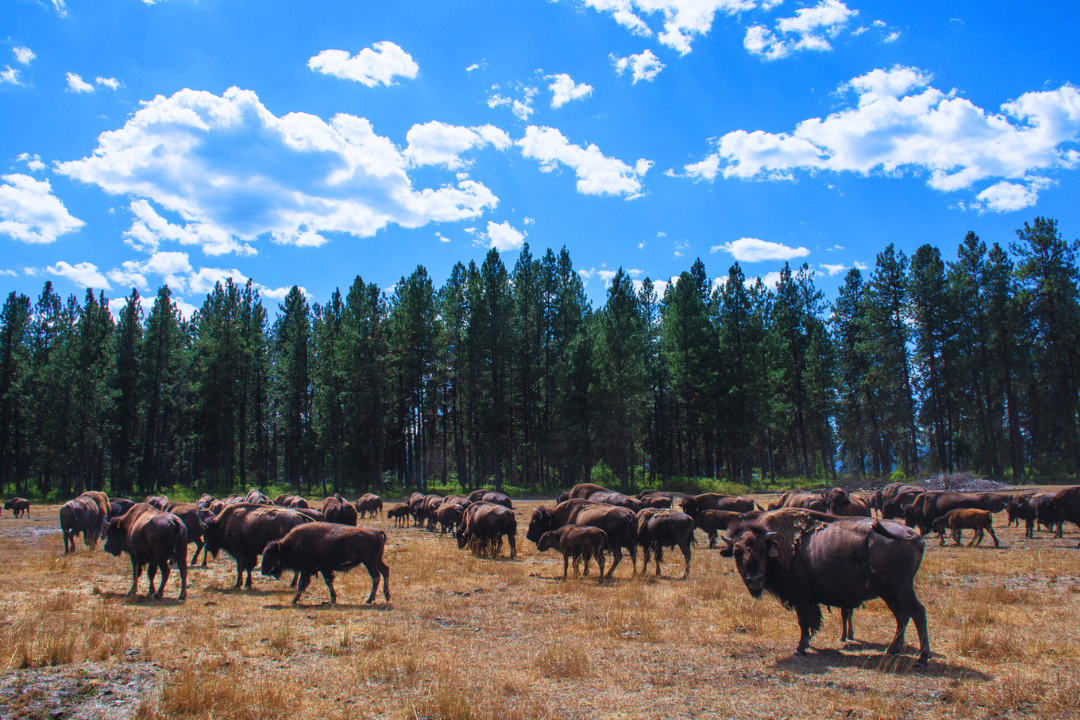
We did what we could with savings, and ended up building – rapidly– a 19,000 square foot meat processing plant where even today we do 60-80 head of cattle or bison. We have a bison herd of about 400, that’ll be up to 500. We have a couple thousand head of cattle. We have harvest land and a green house that is 40,000 square feet. The food processing plant is 44,000 square feet.
We have the right people that make it all work. We’ve been very fortunate to have the right people identified, and the right attitude, those people are rockstars. But the problem now is sustainability. How are we going to continue? How are we going to grow?
We need to eat. And we need to eat healthy. And it’s that basic. Building everything like we used to, to achieve more funding needs to be looked at. It’s really going to be on ourselves.”
Rodney A. Butler - Chairman of the Mashantucket Pequot Tribal Nation
“Our Tribal Department of Agriculture is an expression of our sovereignty in action. By blending controlled environment agriculture with our cultural values, we are taking control of how food is grown, accessed, and shared in our community. This work is about more than growing food; it is about feeding our future. It directly supports the health and well-being of our people by increasing access to healthy, traditionally nutritious foods, while strengthening our economy and stewarding our lands. Controlled environment agriculture allows us to advance health and sustainability in ways our ancestors could not have imagined, all while staying true to who we are. As we continue to scale this vision, it is our food sovereignty that guides us. Through agriculture, we are building resilient food systems that reflect who we are as a people, rooted in our past and designed for the future.”
Shannon Holsey - President, Stockbridge-Munsee band of Mohican Indians
“Our Tribe’s work in agriculture is about more than growing food, it is about restoring the relationships with the land, the seeds, and ensuring our families know where their food comes from, how it’s grown, and why it matters. It’s about the seeds saved by our ancestors and land that’s cared for with intention. Food is medicine. It nourishes our bodies, our culture, and our way of life. When Tribes lead in agriculture, we’re strengthening our ability to feed our people and take care of our communities.”
Ron Allen - Jamestown S’Klallam Tribal Chairman and CEO
“Through the Jamestown S’Klallam Tribe’s efforts to strengthen sustainable food systems, we are building on generations of knowledge and care. We encourage others to keep building, keep pushing forward, and keep investing in Tribal agriculture and food systems, because when Tribes lead and work alongside our partners and neighbors, it strengthens the waters, the shores, and the land, ensuring these resources endure for generations to come.“
Carly Griffith Hotvedt - Executive Director, Indigenous Food and Agriculture Initiative
“Departments of Agriculture are critical tools for Tribes developing food systems and making investments in agricultural economic development. They support the retention of institutional knowledge, the preservation and proliferation of cultural knowledge and practices, advocacy and service delivery not only for tribal agricultural interests, but also for Tribal producers, Tribal entrepreneurs, and anybody who eats. Tribes with Departments of Agriculture also occupy regulatory space which prevents encroachment from external jurisdictions attempting to regulate food systems that don’t belong to them. Tribal sovereignty requires food sovereignty, and Tribal Departments of Agriculture are conduits to accomplish that goal.”
Toni Stanger-McLaughlin - NAAF CEO
“This effort reflects a shared commitment to strengthening Tribal sovereignty through agriculture and ensuring Tribes have the institutional authority and infrastructure necessary to guide, regulate, and grow agricultural economies within their own communities and regions. Tribal Departments of Agriculture are a core expression of sovereignty, and NAAF will continue to support this work in the year ahead. Agriculture is not only central to Native cultures but to how Tribal Nations govern and operate as economic systems. Bringing those two realities together ensures that agriculture and Tribal sovereignty remain at the center of long-term economic development in pursuit of resilient food systems.”
On the Ground: Why Tribal Agriculture Matters
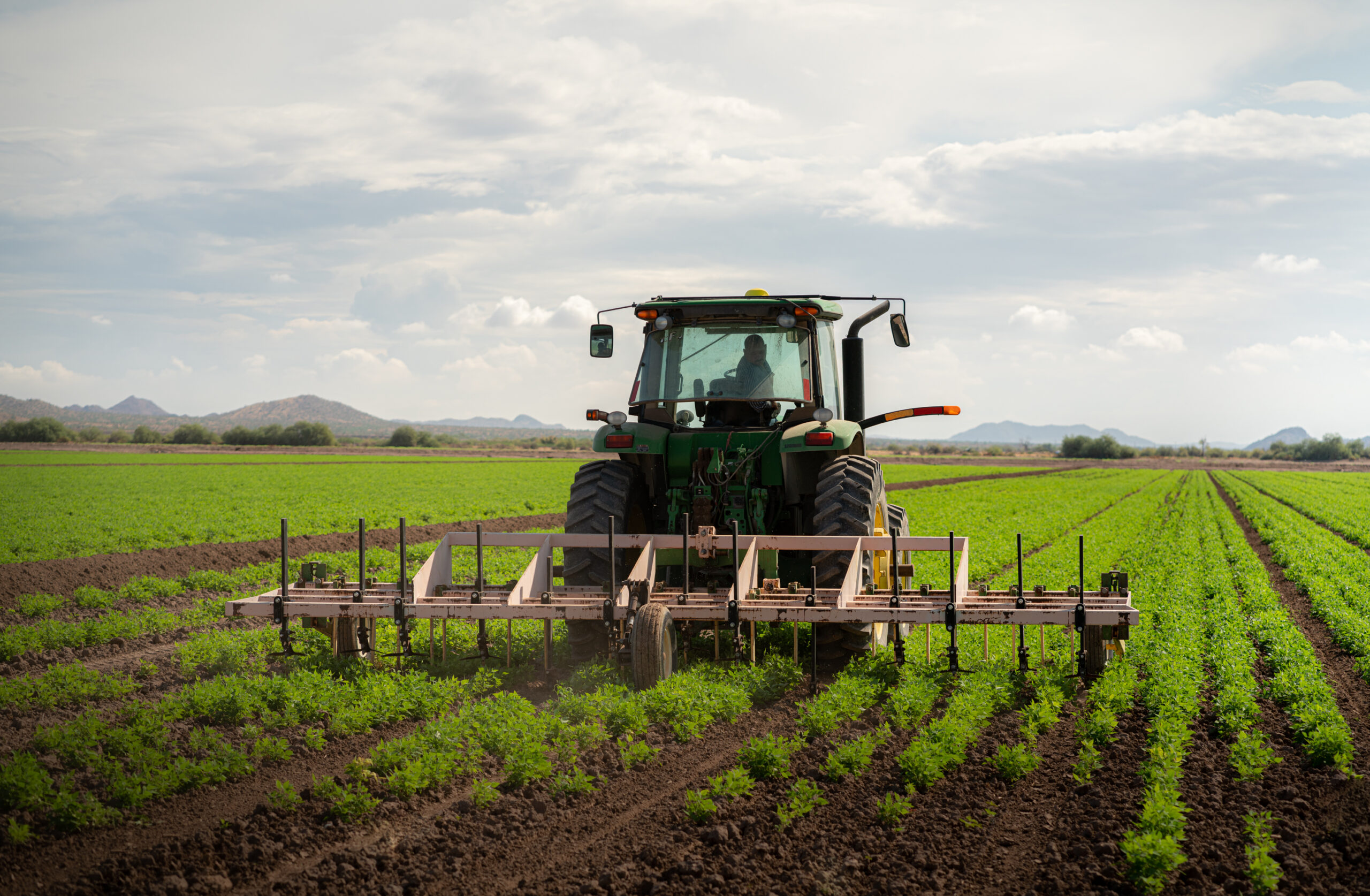
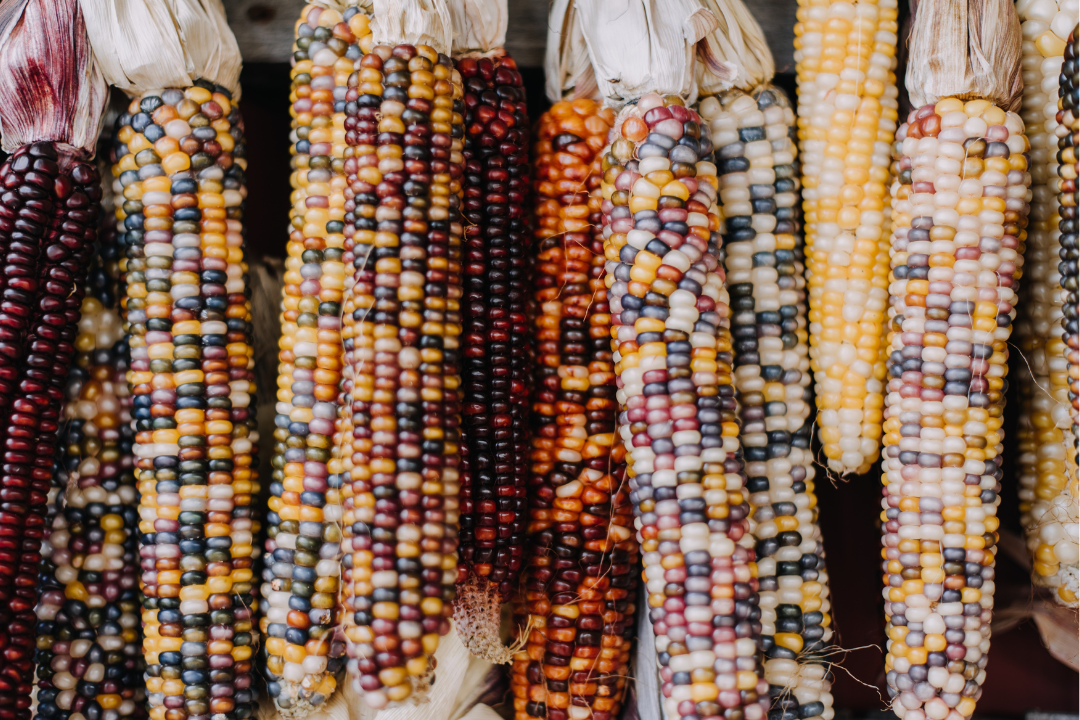
Across Indian Country, Tribal Nations are strengthening their agricultural futures by establishing and expanding Tribal Departments of Agriculture. In some communities, these departments are already leading programs that support producers, restore traditional food systems, and manage Tribal lands. In others, Tribal leaders and advocates are actively building the foundation for departments that will guide agricultural priorities for generations to come.