
Across Indian Country, Tribal Nations are rethinking how agriculture fits into their long-term vision for sovereignty, economic development, and community well-being. For the Muscogee (Creek) Nation, one of the most significant steps forward came through a structural shift, bringing agricultural programs, services, and leadership under one unified Division of Agriculture and Natural Resources.
What began as a strategic effort to better coordinate services has grown into a thriving ecosystem supporting producers, expanding youth opportunities, strengthening food systems, and building lasting trust with citizens.
Today, the Division stands as a model for how Tribal Nations can organize agricultural programming in ways that reflect the realities of Tribal land, culture, and community needs, and how thoughtful structure can unlock growth across generations.
Building a Foundation for Tribal Agriculture
Before the Division was established, agricultural programs existed but lacked centralized coordination. For staff like William “Billy” Haltom, who worked with the Nation before the Division was formed, the difference has been transformative.
“When I first came to work here, we didn’t have a division of Ag and Natural Resources,” Haltom said. “I was actually housed in the housing building. And of course, there’s nobody over there that knows anything about agriculture.”
The decision to bring programs together under one structure helped the Nation grow strategically and respond more effectively to producers’ needs.
Trenton Kissee, who helped guide the Division’s growth and later became the Nation’s Secretary of the Interior, saw firsthand how structure enabled progress.
“I think we had 6 or 7 employees when I started, and I think we’re pushing close to 40 now, because we have the Loop Square Meat Co, that employs around 25 folks. It’s a federally inspected USDA … facility,” Kissee said.
Beyond staffing growth, the Division’s integrated approach allowed the Nation to build vertically integrated agricultural systems.
“We take things cow-calf all the way through the feeding sector, and we keep everything here on the reservation throughout the entire life cycle. Take the steers to the plant and put them on the retail shelves,” Kissee said. “Through that retail space, we also serve a lot of different Tribal organizations and FDIPR programs and nutrition programs throughout the state of Oklahoma, so that’s been really cool to be able to get into those tribal communities and help them put their dollar to use to feed their people.”
Navigating the Unique Realities of Tribal Agriculture
Tribal agriculture operates within a unique set of legal, cultural, and historical realities that often require specialized expertise and patience.
“Land holdings in Indian Country are so complicated and complex that you can work your whole life in that field and not know everything,” Kissee said. “People kind of scratch their heads and look at you funny when you tell them that you have restricted land, or trust land, or allotment land, or divided interest, or undivided interest.”
Historical experiences with federal agencies also continue to shape how producers approach agricultural programs.

Trenton Kissee, Photo Provided
“My grandpa verbatim said, ‘I would rather lose every cow than go to the FSA,’” Kissee said. “There is a lot of history there. There’s a lot of hard feelings, and there’s a lot of, sort of, forgiven and unforgiven things that have happened in the past with federal agencies and state agencies and tribal producers.”
Recognizing these realities, the Division focused not only on production but also on building services that help producers navigate complex systems and rebuild trust.
“Now that we’ve sort of got our structure and our infrastructure built internally, we hired a federal program specialist, and that program has been a huge success,” Kissee said. “We found that tribal producers were really… really hungry for that. Someone that could understand the [complexities of tribal agriculture].”
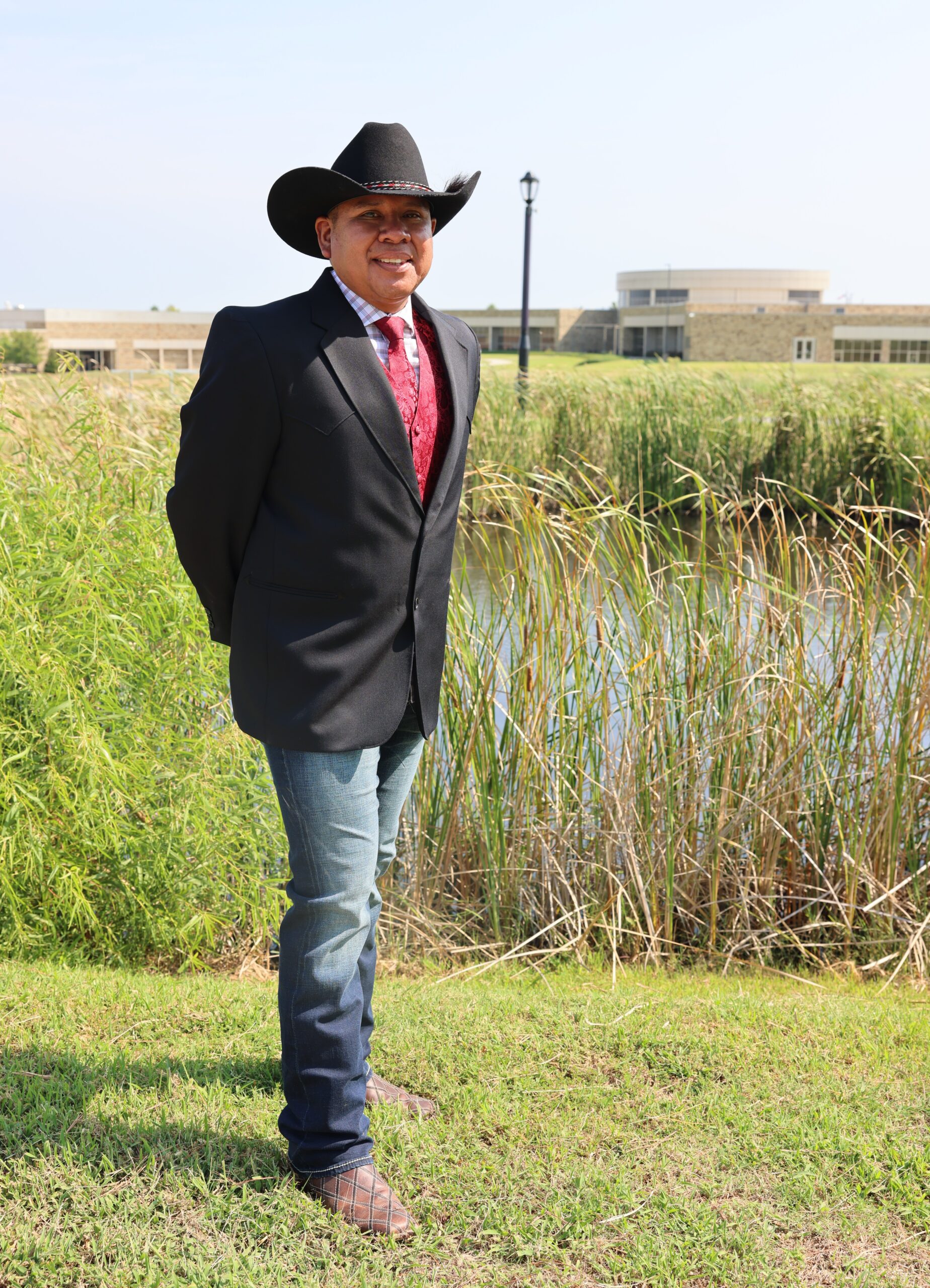
Shannon McBroom, Photo Provided
Meeting Producers Where They Are
That federal program specialist role is held by Shannon McBroom, whose work focuses on bridging the gap between Tribal producers and available resources — including USDA programs — through relationship-building and grassroots outreach.
“We’re here, we’re here to stay, we’re here to work with you, and we’re here to help you grow in your operation, whatever areas that is,” McBroom said. “We need our farmers, we need our ranchers, and so forth, and what better way to work together on it?”
For McBroom, trust comes first, often long before discussions about federal programs or funding opportunities.
“A lot of it had to come from the ground,” he said. “I had to get out there and visit with the folks, and building that relationship, even before I can just say, ‘hey, let’s go talk to USDA.'”
“We’re still in the building stages, we’re still in the building of relationship, we’re building trust,” he said.
His work includes hosting workshops, coordinating educational programming, sharing resources, and helping producers understand that agriculture can take many forms, from large-scale operations to small homestead enterprises.
“If it’s a couple of goats, or it’s a couple of chickens, then let’s look at your operation as an enterprise, and let’s treat that enterprise professionally, even though it is for your own homestead or it’s for your own family,” McBroom said.
“You know, I do my research, and I try to share the best information with our producers, along with, you know, whether it be social media, whether it be in person, or whether it be here in the office,” he said. “Just trying to get them prepared, and get them prepared on the business aspects of what they’re looking at, and the future. Future planning of their operation as well.”
Investing in Youth and the Next Generation
While producer services have expanded, one of the Division’s most visible successes is its growing youth agriculture program.
“We had about 105 or so kids back in 2017, and we’ve got 340 kids in the Ag Youth Program now,” Kissee said. “We’re actually building the new ag youth facility out here on the ranch right now, which is pretty cool, because I think when our ag youth manager first came, that was one of the big visions he had, was for the program to be big enough to… we can say, hey, we have a facility.”
Haltom, the Nation’s ag youth manager, has been central to that growth, mentoring youth through 4-H, FFA, and livestock programs while helping students develop confidence, skills, and leadership.
“How we have gone from a small number to a really large number is we, a lot of it was just word of mouth … people were out there, and they were … they wanted the help,” Haltom explained.
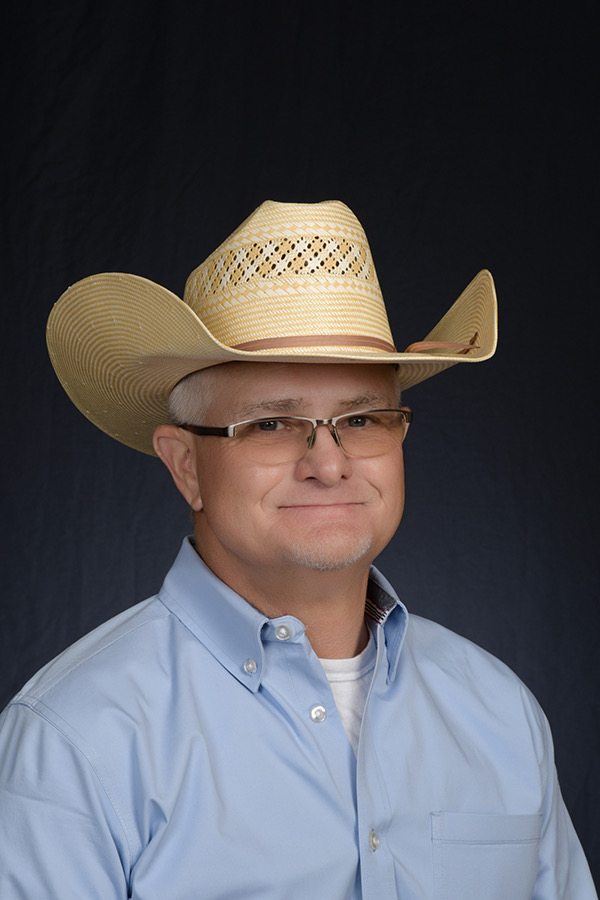
William Haltom, Photo Provided
“When they realize that, hey, there’s somebody at the tribe that will work with us on a very close, personal relationship as far as helping our kids in both 4-H and FFA… that… that it’s just a little reassuring,” he said.
For many students, success in agriculture extends beyond competitions, shaping long-term career paths and personal growth.
“I’ve got students that have gone through a program that are now ag teachers… I’ve got a lot of them that are… working in the bank and working their way up through the ranks in different financial institutions,” Haltom said.
“Have a little bit of the taste of success, and how that changes their outlook on things is just remarkable,” he added.
Kissee believes youth interest in agriculture reflects something deeper.
“There’s just that sort of inherent interest in the land and what’s going on around them. Natural resource management, that’s something I think that beats in the hearts of all tribal youth,” Kissee said.
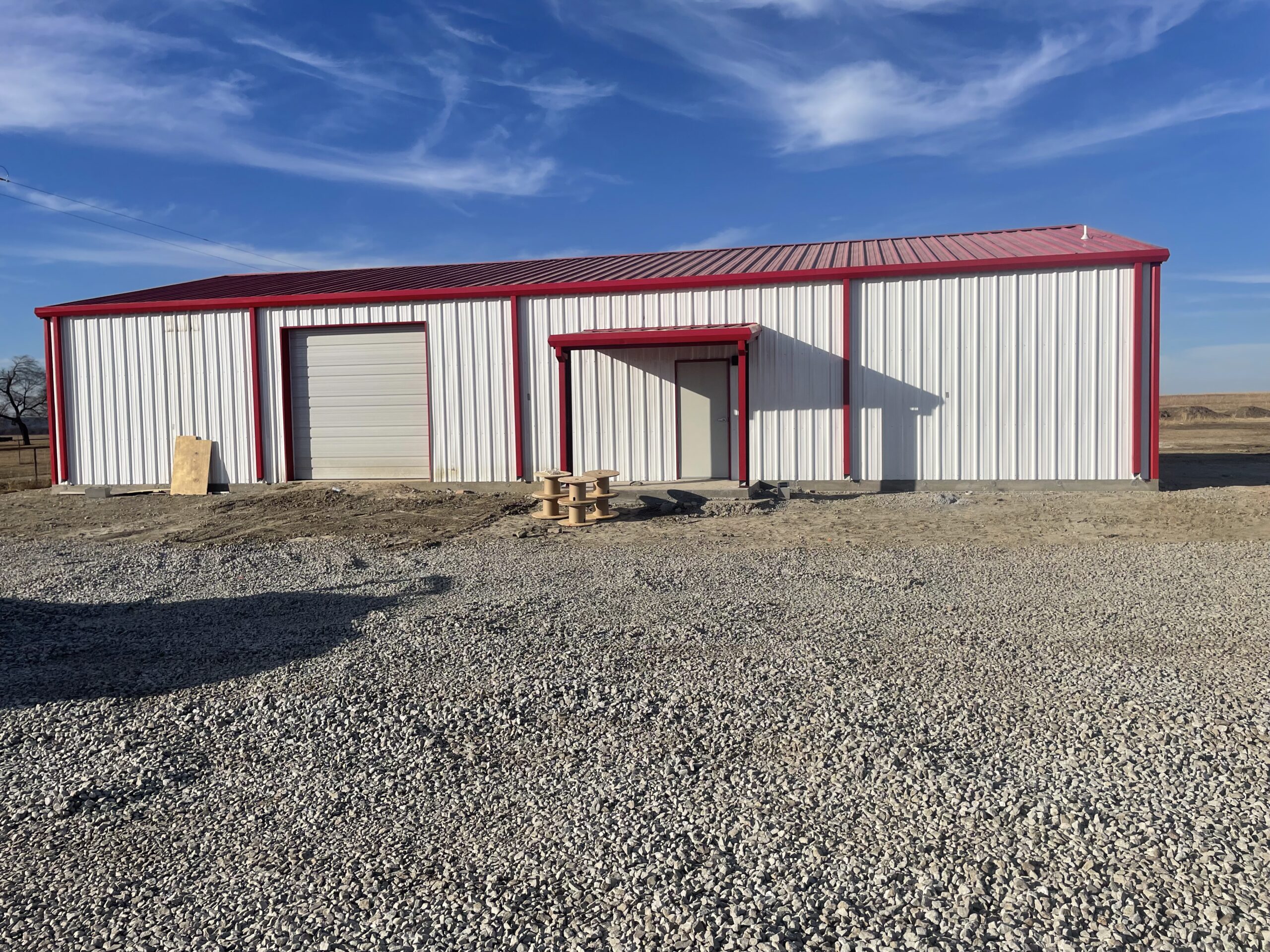
MCN Youth Agriculture Facility, Photo Provided
Strength Through Structure
By investing in organizational structure, producer services, and youth development simultaneously, the Muscogee (Creek) Nation has created a model for Tribal agriculture that balances tradition, innovation, and long-term sustainability.
The Division’s work now spans education, conservation, wildlife management, food production, workforce development, outreach, and infrastructure, all grounded in relationships and community trust.
For McBroom, the mission remains rooted in supporting citizens wherever they are on their agricultural journey.
“To all you Tribal ag producers and citizens, you can do it, and there’s resources there,” McBroom said. “Just reach out, you know, you’re more than welcome to reach out to me, and I’ll try to find the best avenue to set you up and get some communication going for you.”
And for those guiding the Division’s growth, the future continues to center on strengthening both land and people, ensuring that Tribal agriculture remains a source of opportunity, resilience, and connection for generations to come.
Find out more about the Muscogee (Creek) Nation’s Division of Agriculture and Natural Resources here: https://www.muscogeenation.com/department-of-interior-affairs/division-of-agriculture-natural-resources/.