The Anchor or The Wind:
The Moore Family Redefines What It Means to be a Native Producer
By Keona Mason (Kickapoo Tribe of Oklahoma)
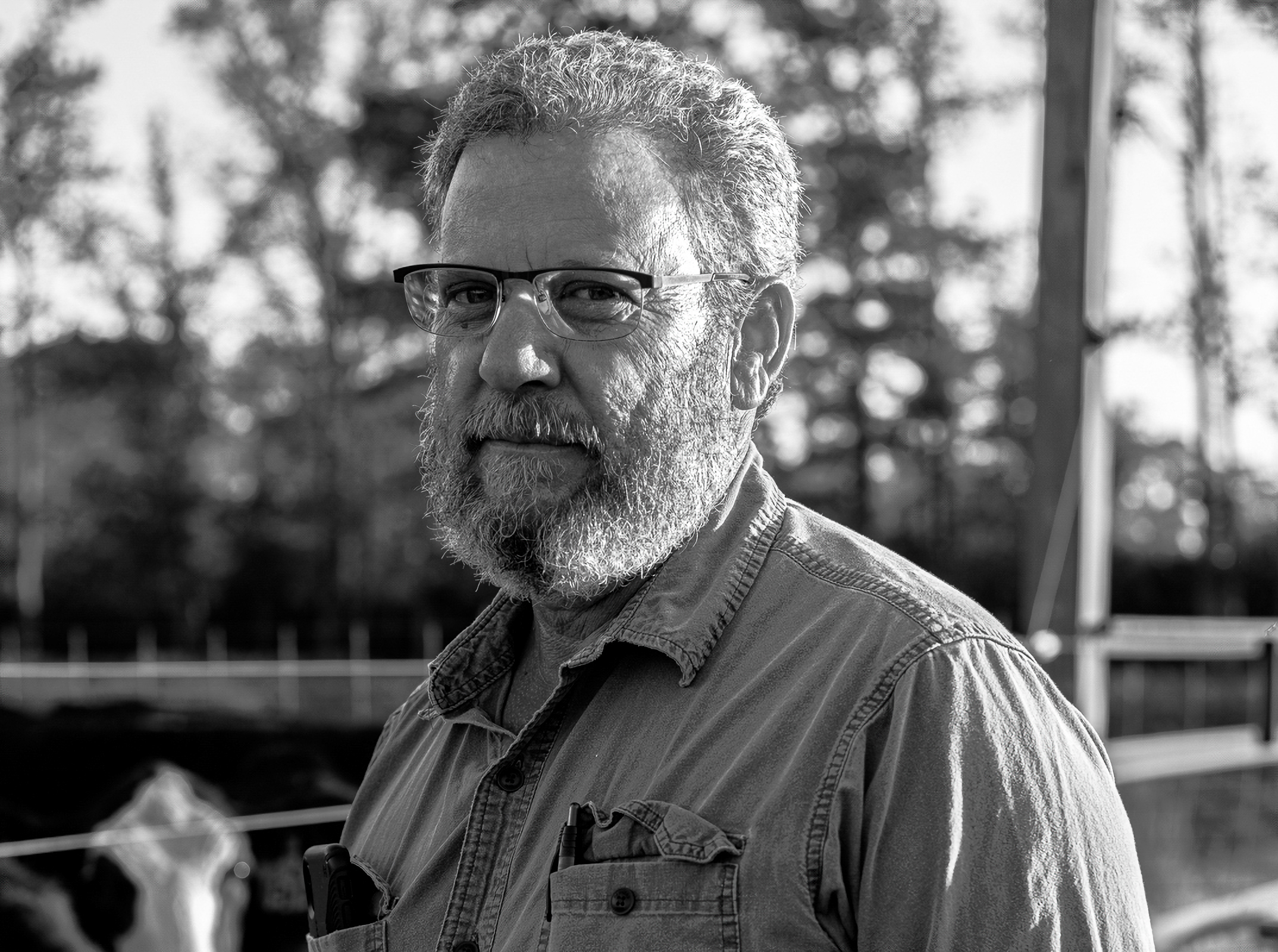
Eddie Moore still remembers the day the USDA officer leaned back in his chair, snuffed out his cigarette on the ashtray and bluntly said, “You ain’t gettin’ no money from here.” The words left a scar on his family’s farm but have since been turned into a testament of resilience, renewal, and determination to carry the Moore family legacy forward.
Unfortunately, his experience was far from unique. Across the country, countless Native producers faced the same barriers and dismissals, stories that together laid the groundwork for the Keepseagle case.
Filed in 1999, the case revealed the systemic harms Native farmers and ranchers had endured for generations in trying to access USDA farm loan programs.
Cultivating a Family Tradition
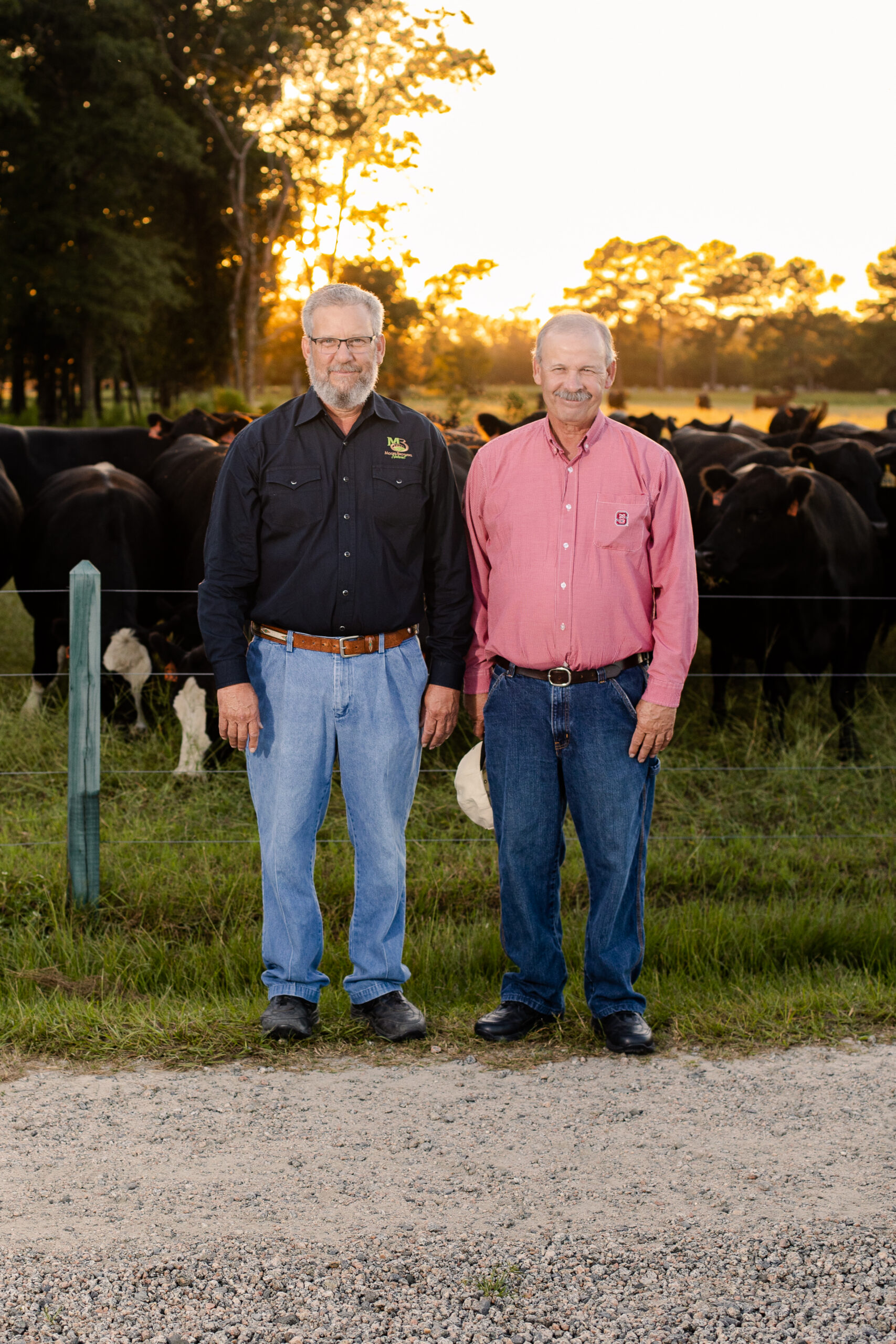
The Moore family got their start in agricultural pursuits in the late 1800s with great grandpa, William Luther, also known as W.L., Moore, who served as a preacher and sold Bibles. W.L. Moore, a Waccamaw Siouan from Columbus County, North Carolina, later moved to Robeson County, North Carolina, where he purchased land and married a Lumbee woman. Eddie’s grandfather and father continued the work, and by the late 20th century, Eddie and his brother Luther joined their mother in the fields raising tobacco, starting Moore Brothers AG.
“Tobacco business was pretty good,” Eddie Moore said. “Everybody had a few hogs, but tobacco was king.”
Tobacco was still a staple crop for the state in the 20th century, with production of swine, sweet potatoes, turkeys, and dry beans soon to follow.
Eddie Moore’s passion for agriculture trickled down to his children. Beginning with his first son, Lee Moore, who raises corn, soybeans, wheat, and beef cattle. “I’ve been farming for approximately 20 years, or 20 plus years, and I’m 28 years old,” Lee Moore said. “There haven’t been many years of life that I wasn’t farming. I’m thankful to be able to do it.”
For the Moore family, agriculture is the “golden bond” they get to be a part of, Lee Moore said.
“Farming is very demanding,” Eddie Moore said. “You might miss a ball game, or a trip to Carowinds, or something else because you need to be on the farm.”
Lee’s sister, Lenora, also grew up in the same agriculturally involved environment; however, did not jump into agriculture the same way as her brother.
“I grew up on the farm just like Lee, but I did not get hit with the farming bug,” Lenora Moore laughed.
After realizing spending endless hours on the farm was not the ideal, Lenora Moore sought out another avenue to agriculture, she said. She found her way to agriculture through NAAF.
“It really was just perfect. The stars aligned,” she said of her role as grants compliance officer.
The opportunity to work at NAAF has given Lenora Moore a chance to use her skills and background in a way to support Native farmers and ranchers, she said.
“I would like to leave a legacy as someone who was conscientious of the land and of their community and family,” Lenora Moore said. “I heard that people will forget what you said, they’ll forget what you do, but they’ll never forget how you made them feel. I always want to leave someone with the impression that I made them feel good.”
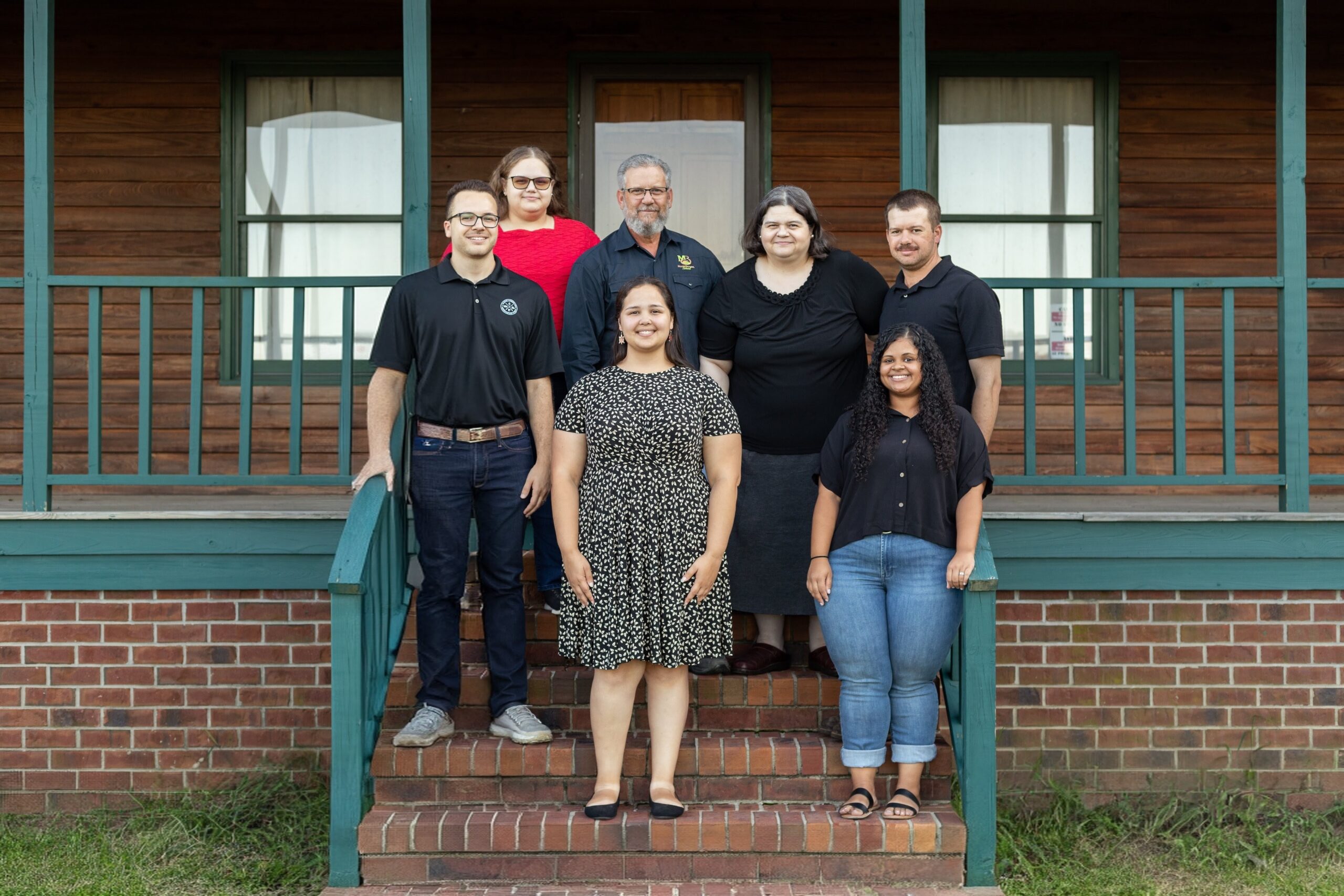
However, the Moore agricultural legacy does not stop there. Belton Moore, Eddie’s second-oldest son, has devoted his career and education to expanding access to capital for Native producers. Karli Moore, Eddie’s oldest daughter, is carrying the family vision forward with a focus on sustainability. Her doctoral program’s research focuses on the environmental, economic and political dimensions of Tribal agriculture.
Even as the next generation carries the Moore agricultural heritage into new areas of leadership and innovation, their journey has not been without roadblocks.
The Anchor
In 1987, Eddie and Luther Moore, who are citizens of the Lumbee Tribe of North Carolina, traveled to their local USDA office to meet with a staff member about obtaining two loans to split a farm they were renting, Eddie Moore said.
Eddie Moore still remembers the smoked-filled office, the employee’s cigarette burning out just before he dismissed them, he said. “’Ain’t gettin’ no money from here,’” Eddie Moore impersonated. “We didn’t even fill out an application. We basically didn’t do anything but say, ‘Okay, I reckon that’s that.’”
Decades later, the Keepseagle v. Vilsack settlement, a class-action lawsuit addressing USDA discrimination against Native farmers, offered a chance for restitution. Luther’s claim was accepted. Eddie’s was denied.
“A second denial for me, seemed like all the other boats was lifted, and my anchor was holding me down deep in the water,” Eddie Moore said. Although the denials Eddie Moore experienced felt powerful at the moment, the Moore family stuck together, and each found their way to support agriculture where they hope they can leave a lasting impact.
The Wind
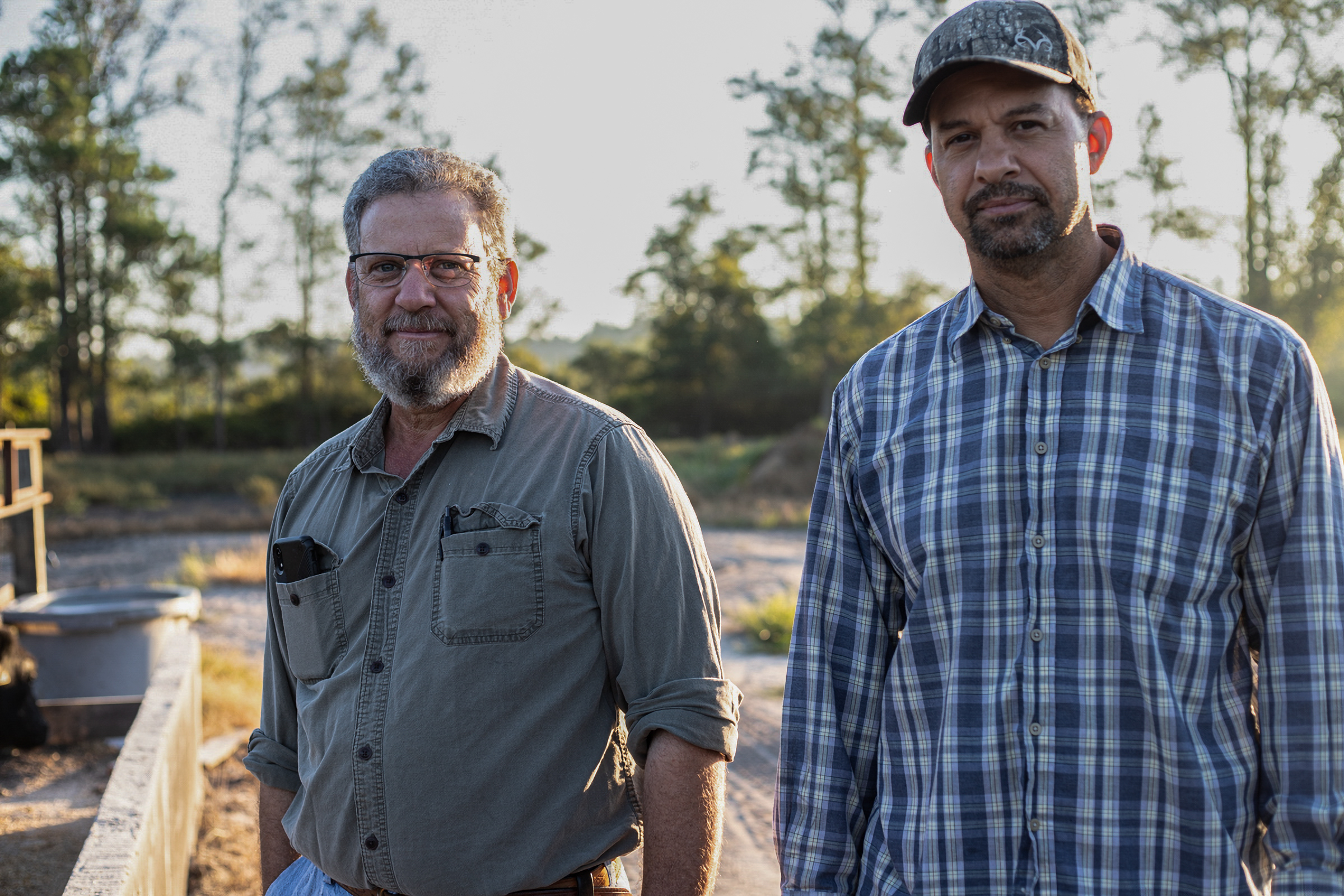
The family wants people to look back at them and see that they were good farmers and future generations can carry the things they started, Lee Moore said.
“If you think about it, it’s all about the dollar,” Eddie Moore said. “That’s not our primary goal. Our strongest vision is tending to the land; try to leave it as good or better than we found it.
“It’s about passing that opportunity on, if [my children] so like it, and agriculture is broad,” he said.
Agriculture is only important to people who eat food and wear clothes, Eddie Moore said. Many people only think of production agriculture, but sharing the role of the consumer is important too, he added.
“Going forward, especially as Native producers, we need to lean into sharing that with the rest of the world,” Eddie Moore said. “They’re the consumers. We need them, they need us. We need to work together.”
Lee Moore emphasized that agricultural producers, especially Native producers, are vital to the country, even if they employ methods that differ from the status quo. That is more reason to support Native producers, he added.
“A large portion of the producers in Robeson County, North Carolina, are Native Americans,” Lee Moore said. “If the Native Americans aren’t supported, that doesn’t leave many people to do the production.”
It is critical to ensure producers are supported to be viable for years to come, he said.
Lenora Moore echoed that sentiment, noting the stewardship Native farmers bring.
“Some communities are majority made up of Native producers,” she said. “What I’ve seen from Native producers is that they hold a lot of respect, love, and care for the land they work.”
Through the years, Eddie Moore has watched the transition of the perception of being a Native producer. With generations before him, including his father, being a Native farmer limited opportunities, he said. Within North Carolina, Native people were oftentimes limited to only serving as sharecroppers, but he sees a future where Native producers are seen as leaders, he said.
Although the number of producers nationwide continues to decline and the average age of the farmer rises, Native agriculture is moving in the opposite direction.
According to the 2017 and 2022 Censuses of Agriculture, Native American and Alaska Native producers nearly doubled their economic impact, with sales climbing from $3.5 billion to more than $6 billion. This reflects significant growth across both crop and livestock sectors.
The ranks of young and beginning Native farmers are also on the rise, signaling a new generation stepping into the industry.
Lee Moore can attest to these positive changes: “We’re turning the corner, and maybe being a Native producer is a positive thing.”
Eddie Moore is also optimistic about the future of Native agriculture, he said.
“I think in my lifetime, I felt that being a Native producer went from a burden to boost,” Eddie Moore said.
In the next 20 years, he envisions Native producers feeding the consumers directly, he added.
“I know that the land has the opportunity to meet the needs of the people if we treat that land right,” he said. “I’m excited that there’s going to be new opportunities and to be a Native producer is not going to be an anchor around our neck, but maybe some wind under our wings.”